
The Trending Front Yard Landscaping Ideas Everyone Is Copying This Year
Front yard landscaping ideas to make your garden look good and appealing, and fit your home, your style, and your personal preferences.
I know my front yard is a passerby or visitor’s first impression of my home and me. It is also the first thing I see when I leave or return to my home. And right now, that first impression is not good.
At the moment our old farmhouse front yard only has a neglected bit of lawn, a crumbling wall, and a rusted metal fence going for it. With all the renovations both inside and outside that need to happen first, I cannot really spend time or effort making our front yard pretty. But a girl can dream?

My front yard garden should reflect the people who live in the house and make the space feel warm and inviting, offering a welcoming path to the front door. I am sure you will agree. But how to achieve this will look different for each person: perhaps you envision a cottage garden, formal landscaping, or practical yet attractive vegetable beds. Me? I don’t know yet.
To help me in planning my future dream garden, I have been looking for landscaping tips and ideas, inspiration pictures and some clues on what to do and what not to do when it comes to designing my front yard.
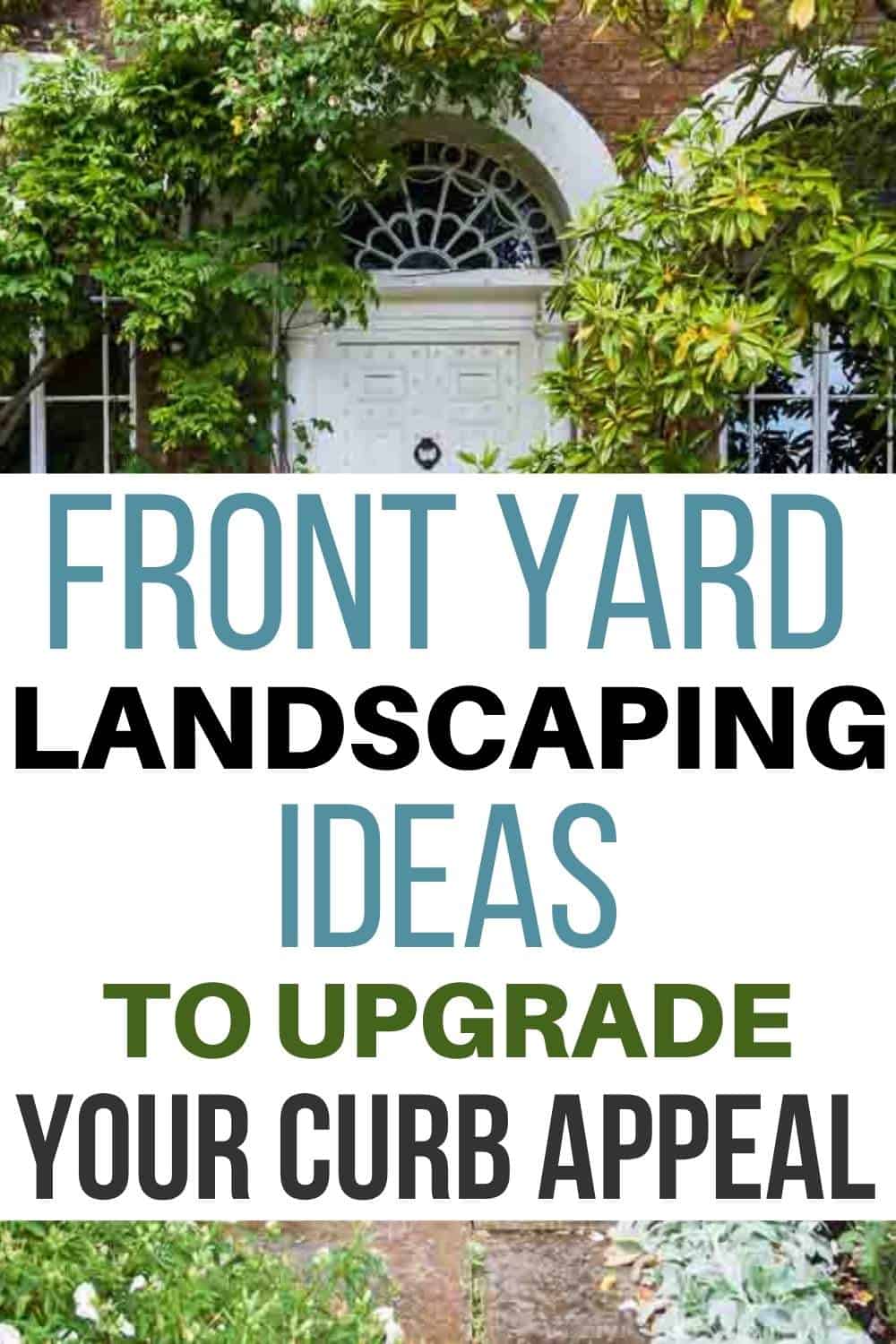
Because while figuring out where to start can feel daunting, a few guidelines and creative ideas can help me transform the bland yard in front of our house into a beautiful, inviting space.

Come along while I share all the landscaping information and inspiration I found.
Basic Front Yard Garden Landscaping Principles
Though there are no set rules or specific formulas to follow when landscaping a front yard, the following design principles can serve as guidelines to give you an idea of how to proceed.
1. Evaluate Your Site

Before you do anything else, step outside and look around your front yard. What do you already have? What do you want to keep, and what would you like to replace or change? Consider trees, lawns, other plants, and hardscaping.
Look at your house and how the landscape does or doesn’t complement the size and style of the building.

Finally, pay attention to sun exposure. Does your house face south, with full sunlight on the exposed front lawn? Or do trees and structures shade the whole area? You might have some areas of sun and pockets of shade, which may change throughout the day. This will dictate what types of plants you can place where.
2. Make It Functional

A well-designed landscape is a functional landscape. At its most basic, a front yard’s purpose is to appear attractive and help people move quickly and safely to the front door.
The space may see you entertain visitors, chat with neighbors, grow vegetables and herbs, or play. Consider the uses you envision for your front yard and keep them in mind as you plan the layout and choose plants and hardscaping elements.
3. Focus on Unity

Unity in a landscape means all elements together to form an overall image. To achieve unity, select plants that complement each other in color, size, and texture. Attractive groupings and repeating design elements also help bring harmony to your yard’s landscape.
Consider balance, ensuring both sides of the front yard appear equal.
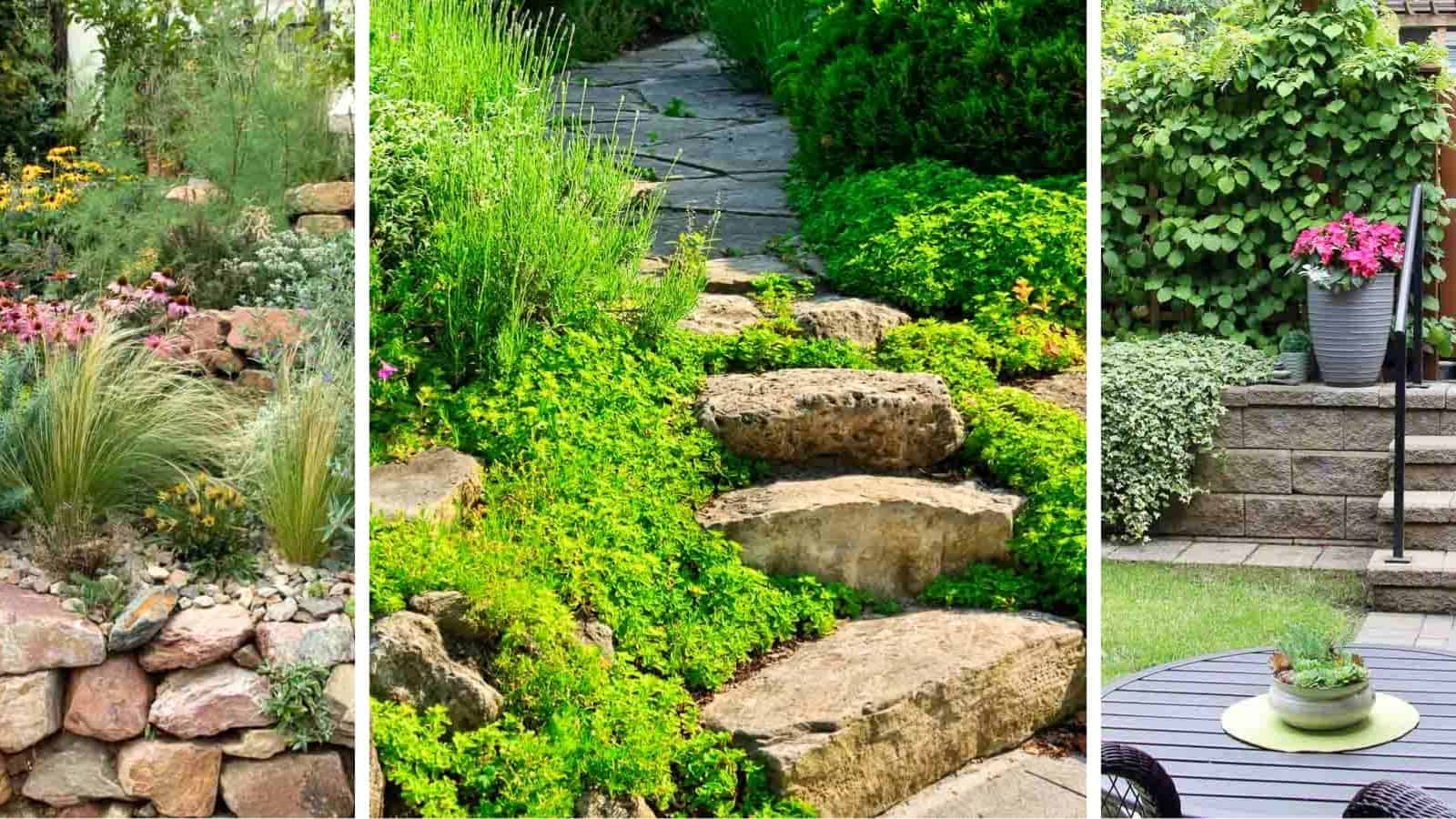
If like me you have to design your garden on sloped terrain, you might find all the tips and ideas I gathered for a terraced garden design also usefull.
4. Maintain Balance

There are two types of balance: symmetrical and asymmetrical:
- Symmetrical balance usually results in a more formal appearance, with elements mirroring each other. Though it looks fancy, it is easier to enact, as both sides are identical.
- Asymmetrical balance is far less exact but takes a bit more thought. For example, a prominent item placed on one side could be matched by grouping several smaller things on the other side, rather than an identical item.
Without balance, a space can look lopsided, with awkward bare spots or overly crowded areas.
5. Frame the House

The most common front landscape design method is to frame the house with plants and other materials. A simple way to do this is to plant a large tree or shrub on either side of the house and place progressively smaller plants as you move toward the front door. This naturally draws attention to the entryway, making it welcoming and easy to identify.
Avoid placing large plants close to the front door, as they can block it from view and make it feel uninviting.
6. Define Borders

Defining borders helps create unity between the lawn and the house. In many cases, all the landscaping is placed right up against the house, with the lawn extending to the street.
Extending the beds out from the corners of the house and using rounded edges can help visually integrate the beds with the yard to create one unified landscape. This will also distinguish your property from your neighbors, rather than having your yards blend with no definite end or beginning.
7. Select Appropriate Plants

Remember the above principles when selecting appropriate plants for your front entrance. You’ll want to choose plants that thrive in the sunlight or shade your front yard receives and your soil type. Native plants will often do best, naturally adapting to your local conditions.
Aim for year-round interest with evergreen and deciduous plants and flowers that bloom at different times throughout the year.
When selecting trees and shrubs, remember smaller is better for the front yard landscape, especially where tall branches might tangle with power lines and long roots could cause damage to sewer pipes.

Related Reading: 40+ Ideas for Creative Garden Weekend Projects.
Creative Front Yard Garden Ideas
You may still need help to envision the space, even knowing the basic principles of designing a front yard garden.
The first two principles can help: What do you already have to work with, and what function do you want your front yard to serve? Here are a few ideas to help get your creative juices flowing.
Rose Garden

If you love roses or prefer a more formal landscape, a front yard rose garden might be the way to go. Choose a variety of roses with different bloom times and colors, and remember to add a couple of climbing roses along fences, walls, or arches for vertical interest. If you don’t have time for all of the pruning and other care roses require, start with just a few as accent plants.
Low-maintenance evergreen shrubs provide an excellent foundation for roses and keep a bit of much-needed color in your garden in winter. Try iris, lavender, or white yarrow as complementary perennial flowers.
Pollinator Garden

Invite butterflies, bees, hummingbirds, and other native wildlife to your front yard with a beautiful pollinator garden. This style conjures images of wild, untamed flowers and grasses, but if you prefer something tidier, you can also design a more traditional-looking garden with native perennials.
Look up native wildflowers in your state, and see if there is a nursery nearby that specializes in native plants. The staff there can help you design a garden tailored to your area.
Remember to provide blooms from spring through fall, and consider adding a few evergreens or plants with bright berries or attractive bark for winter beauty. You can throw in some vibrant annuals like zinnias for fun!
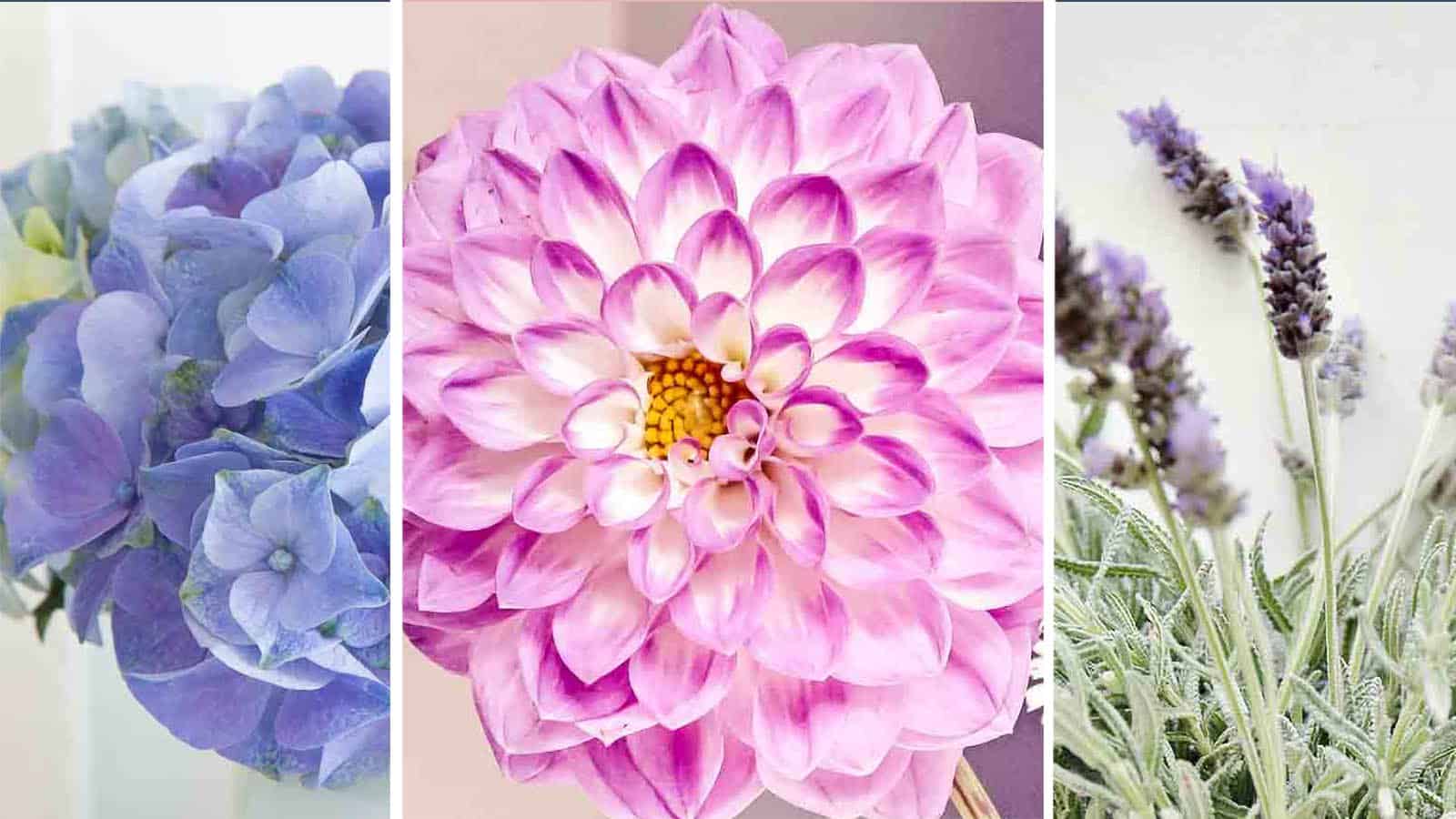
If you really want to grow flowers so can you cut your own bouquets, then check out my Top 20 Flower Choices for a Cutting Garden.
Vegetable Garden

Most people plant a vegetable garden in the backyard, but the front yard is also great for growing vegetables, herbs, and fruits. If you have good soil, you can plant directly in the ground. Alternatively, use raised beds to solve the problem of poor or contaminated soils and give the garden a tidier appearance.
Get creative, and use the principles listed above rather than traditional straight-row gardening practices to make your vegetable garden beautiful and functional. Mixing in some flowers, like marigolds, nasturtiums, and flowering herbs, can add curb appeal and attract beneficial insects.
Remember the parking strip, if you have one! This is a great area to expand your garden; just check to make sure local ordinances allow it.
Cottage Garden

A cottage garden is such a romantic idea: masses of flowers filling the yard, a stone walkway winding through it, and plenty of time spent happily pottering in your beautiful flower garden.
Because a cottage garden is packed so full, choose hardy, low-maintenance plants like wild indigo, Knock-Out roses, black-eyed Susans, and coneflowers. This is a great place to grow herbs, as the traditional purpose of a cottage garden was to produce food.
Remember to give your new plants proper spacing — you want them to fill the space without overcrowding.
Shade Garden

Creating a garden in a shaded yard can feel like an impossible challenge, but you can use many beautiful shade-loving plants.
Hostas are popular with their lush foliage, delicate flower stalks, and a tidy habit. Ferns add texture and provide a woodland feel, and native species are incredibly hardy. Add color with shade-loving flowers like woodland phlox, columbine, and violets. Plant an evergreen ground cover like wild ginger or green and gold to fill gaps.
Other types of gardens can be adapted to shade, too. Native woodland flowers attract pollinators and can be grown in neat beds or a cottage-garden style. Some vegetables and herbs grow well in shade, such as lettuce, carrots, chives, and parsley. Even a few rose varieties tolerate partial shade, such as Knock-Out, floribunda, and native roses.
White Picket Fence Edging

A classic white picket fence can add a touch of elegance to your home’s curb appeal. Use it as a backdrop for climbing plants or shrubs, such as roses, hydrangeas, and clematis. Or, choose brightly colored annuals like petunias, zinnias, and vincas to pop against the clean white canvas. Finally, you can add a small gate or arbor surrounded by flowers for a picturesque entrance.
Small Front Yard Garden

Even if your front yard is limited in space, there are plenty of creative ways to beautify it. Use vertical gardening by adding trellises or hanging planters to maximize your outdoor space. Opt for compact and dwarf plant varieties that won’t overwhelm the area but still offer vibrant color and texture. Raised bed gardening is another option, and so is container gardening.
If you’d rather have a low-maintenance landscape, use ground cover plants like creeping thyme or moss to add a lush carpet of greenery without taking up time and energy. With thoughtful planning and the right choice of plants and design elements, a tiny front yard can be just as inviting as a larger one.
What Will Your Front Yard Garden Look Like?

With a few guiding principles and creative ideas under your belt, it’s time to start designing your front yard garden. Begin with a vision, then dive in and buy some plants. Soon, you will have a beautiful, inviting garden that reflects your unique personality and welcomes friends and family to your front door.
So many beautiful front garden ideas to choose from. I can’t wait for the moment I get to dig in and change up our own front yard. But first I have to decide, will it be a rose garden, cottage garden or am I going to use that prime spot for growing some extra fruits and vegetables? Aargh the decision is killing me…

These ideas are incredible! We just finished redoing the landscaping in our backyard and I’m determined to update the front yard as well, but I’ve been at a bit of a loss for the best way to give our home more curb appeal. This gave me the inspiration that I’ve been seriously lacking. Thanks so much for sharing!